
Designing an Edible Forest Garden in Suburban Spaces
March is not planting season in Zone 4 — not yet. It is still planning season. Snow may still edge the fence line, but the light has changed. The soil is softening beneath the surface. And this is the perfect moment to rethink how we use space — especially in small suburban lots.
If you’ve ever felt limited by square footage, permaculture layering offers a different lens. Instead of gardening in rows, we garden in relationships. Instead of spreading outward, we grow upward. This is the foundation of the edible forest garden — and it works beautifully in small space gardening.
What Is Permaculture Layering?
Permaculture layering mimics the structure of a natural woodland ecosystem. In a forest, plants don’t compete in neat rows — they occupy different vertical niches.
Classic forest garden layers include:
Canopy (large fruit or nut trees)
Understory (smaller trees or large shrubs)
Shrub layer
Herbaceous layer
Ground cover
Root crops
Vines
Even on a small suburban lot, you can thoughtfully stack 3–5 of these layers to increase productivity, biodiversity, and resilience.
The Canopy: Structure & Long-Term Yield
In a compact yard, your canopy may be a single semi-dwarf apple or plum tree rather than towering oaks.
The canopy:
Anchors the design
Creates microclimates
Moderates wind and sun
Produces high-calorie yields
In small space gardening, choose varieties grafted to dwarf rootstock and consider espalier techniques along fences to save room. March is the month to map sun patterns and finalize tree placement before the rush of spring.
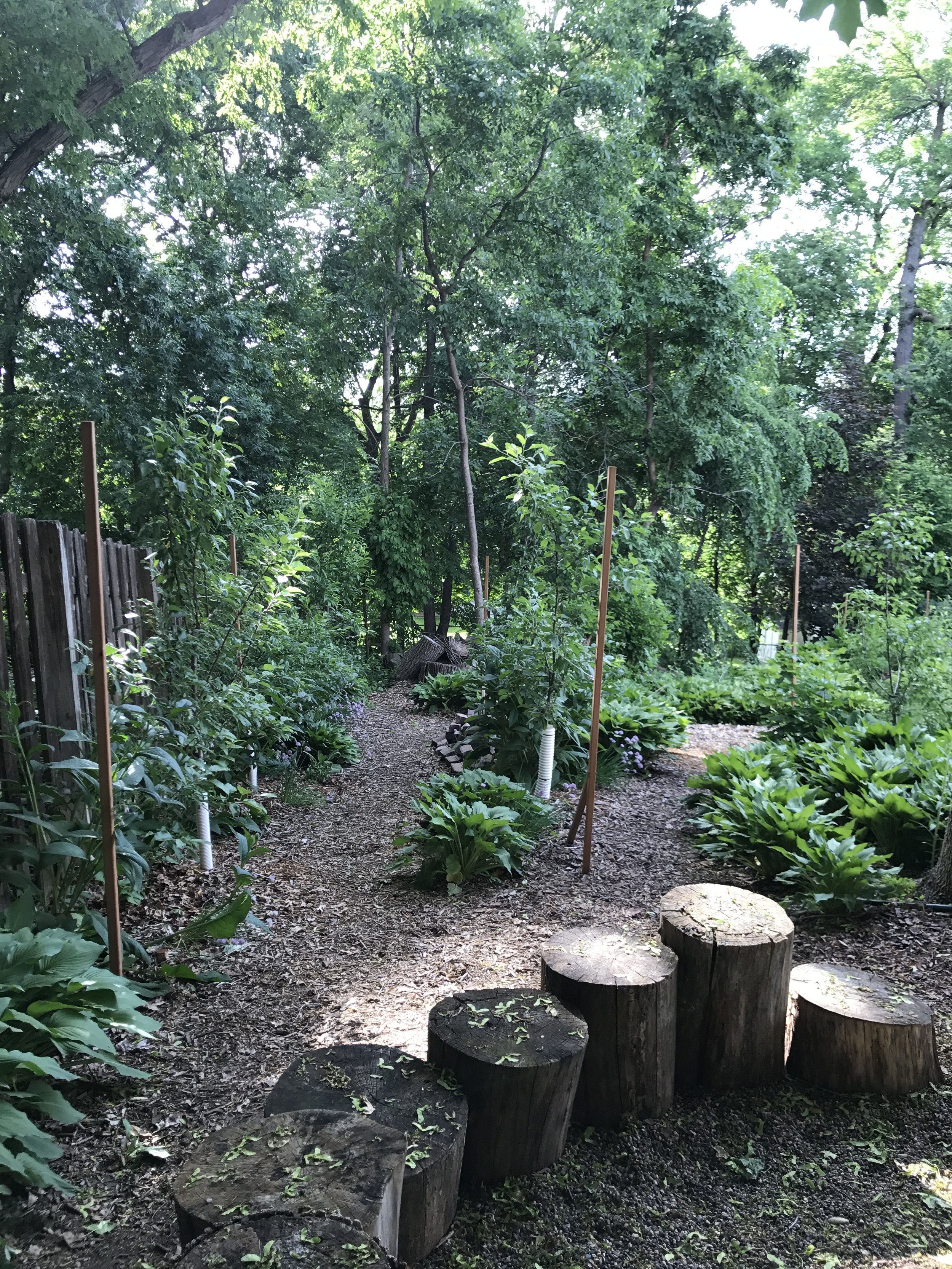
The Understory: Flexible & Abundant
Beneath your canopy, the understory thrives in dappled light.
This might include:
Berry bushes
Currants
Serviceberries
Elderberry
In a suburban edible forest garden, this layer often does the heavy lifting in terms of annual yield.
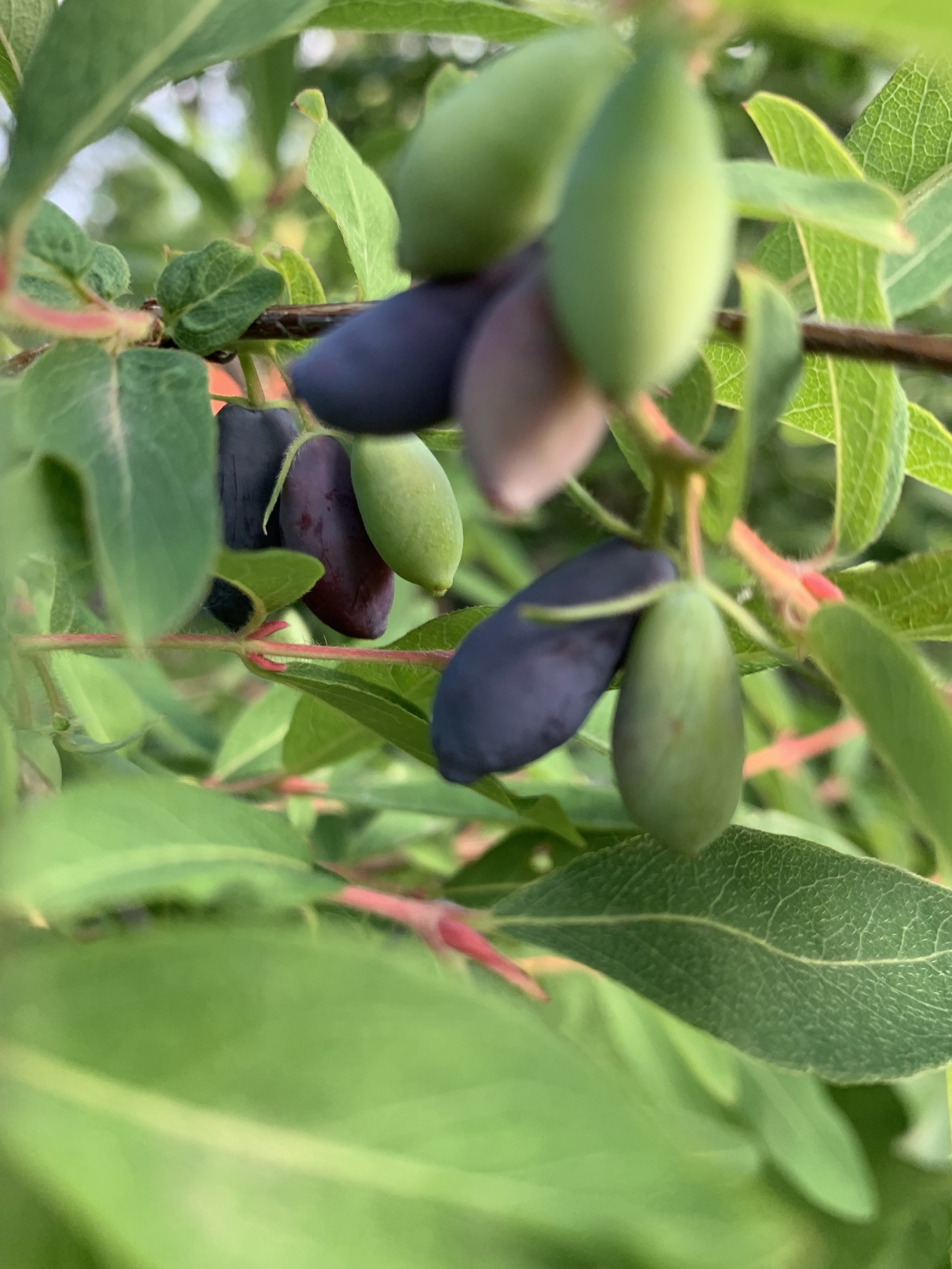
Understory plants:
Maximize vertical space
Provide habitat for pollinators
Create privacy hedging
Offer early-season blooms
Look to urban permaculture case studies for inspiration — many small city yards successfully layer fruit trees with shrubs to create productive, low-maintenance systems.
The Ground Layer: Where Resilience Lives
The ground layer is where permaculture layering truly shines.
Instead of bare soil or mulch alone, consider:
Strawberries
Creeping thyme
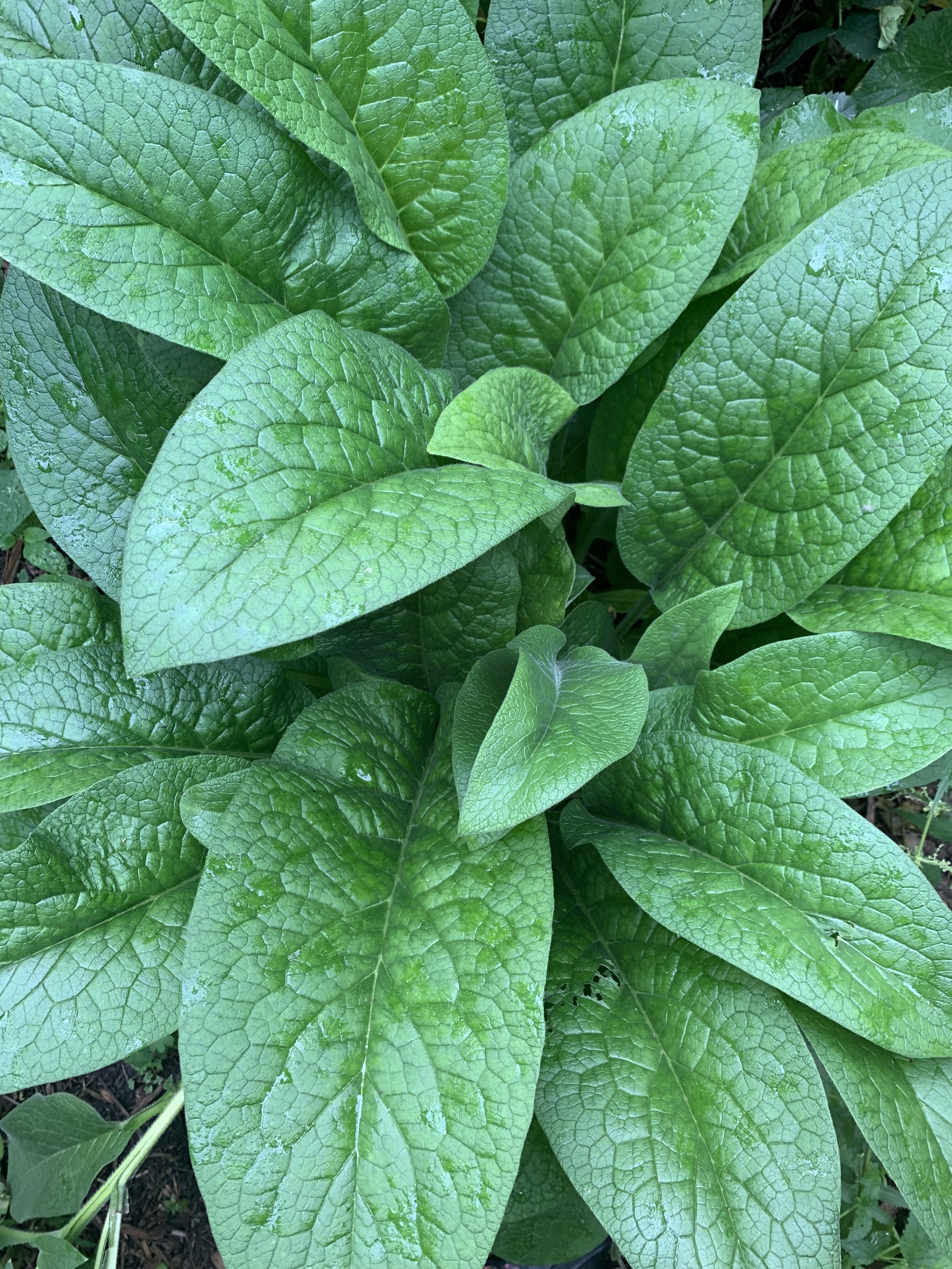
Comfrey (strategically placed)
Clover
Early spring greens
Ground covers:
Reduce weeds
Protect soil moisture
Support beneficial insects
Add harvestable yields
March is ideal for planning how these plants will interconnect — forming living mulch instead of empty space.
Why Layering Works in Small Spaces
Small plots demand efficiency. Permaculture layering increases yield per square foot by:
Capturing sunlight at multiple heights
Reducing maintenance through plant cooperation
Supporting soil biology with continuous cover
Building long-term fertility instead of annual depletion
It also builds resilience. If one crop underperforms, another layer compensates. This system reflects ecological intelligence — the same patterns seen in natural forests.
Designing Your Small Edible Forest Garden
Before planting begins, use this time to:
Observe sunlight patterns
Map wind exposure
Identify moisture pockets
Sketch vertical stacking opportunities
Assess existing trees as canopy anchors

Even a ¼-acre suburban lot can support meaningful permaculture layering.
Start with:
1 canopy tree
2–3 understory shrubs
3–5 perennial ground covers
Build slowly. Layer intentionally.
A Mindset Shift
Late winter teaches patience. Nothing looks abundant yet — but everything is in motion underground. Permaculture layering mirrors that lesson. The visible harvest may take time, but the design decisions you make now determine resilience later. In small space gardening, abundance doesn’t come from expanding outward. It comes from thinking vertically — and designing like a forest.