
Warming & Restorative Herbal Teas for Late Winter to Early Spring
As the seasons shift from the chill of winter into the hopeful promise of spring, our bodies often crave gentle support. Late winter can leave us feeling sluggish, run-down, or congested, while early spring brings allergies, unpredictable weather, and the need to reawaken our energy. One of the simplest, most nourishing ways to support this seasonal transition is with herbal teas that soothe, detoxify, and uplift.
Late winter in a northern garden is quiet — but not empty. Snow recedes from south-facing fences first. The compost pile warms faintly. Maple sap begins to move before buds swell. This is the subtle edge season — when soil microbes wake before we do.
For gardeners, this is the moment to look closely. The earliest herbal allies are often already growing in the margins — not planted in tidy rows, but thriving in edges, understories, and disturbed soils. The plants that serve us in this in-between season are not flashy. They are steady. Mineral-rich. Rooted. Persistent.
Below are beloved herbal teas that are especially helpful this time of year, along with their benefits, growing notes and brewing tips.
As a friendly reminder — The information shared here is for educational purposes only and is not intended as medical advice. Please consult a qualified healthcare provider and do your own research before using herbal remedies, especially if you are pregnant, nursing, taking medications, or managing a health condition.
Nettle Leaf (Urtica dioica) — Spring’s Mineral-Rich Tonic
The mineral builder of edges. If there is a plant that understands endurance, it’s nettle, and it is one of my favorite herbal allies. It grows where soil has been disturbed. Along fence lines. At woodland edges. Near compost piles rich with nitrogen. It thrives in the margins — turning disruption into nourishment.
In many Northern climates, nettle is among the first true greens to rise. It prefers the same spaces permaculture design values: edges, nitrogen-rich soil, places of past disturbance.
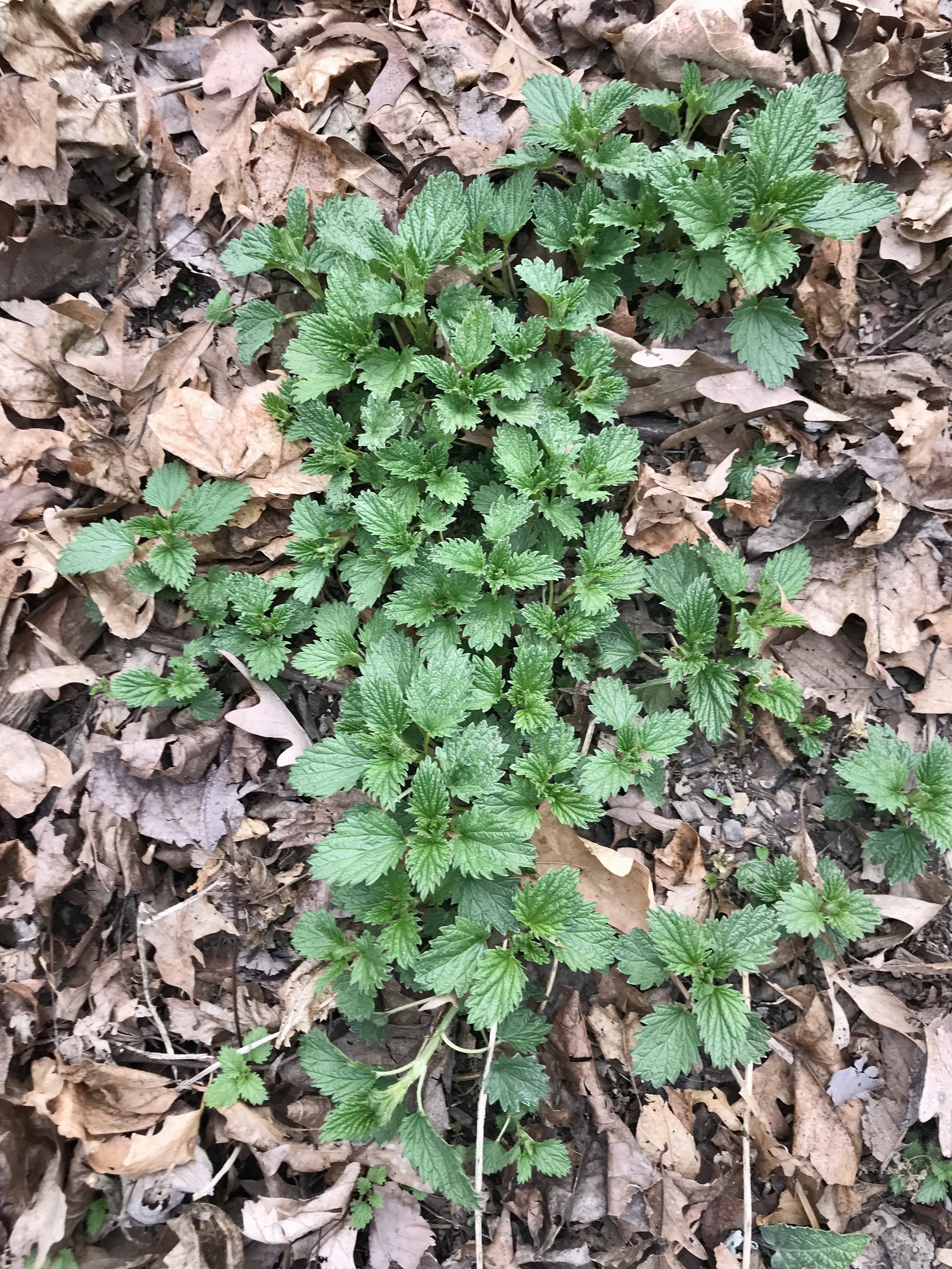
For suburban growers, nettle often appears near compost bins, fence lines, or semi-wild corners. Rather than eliminating it, consider designating a patch.
Nettle has long been used by Indigenous peoples across North America for food, medicine, and fiber. It is a plant of utility and resilience — used traditionally as a spring tonic after long winters. As with many spring greens, it reflects seasonal wisdom: replenish minerals before demanding productivity from the body.
In late winter and early spring, when our own reserves may feel thin, nettle offers deep mineral restoration. Iron. Calcium. Chlorophyll. It doesn’t stimulate — it rebuilds.
Nettle is also a dynamic accumulator and can be used to make nutrient-rich plant fertilizer (nettle tea for the garden). One plant, two infusions — one for soil, one for you.
Growing & Foraging:
Emerges in late April to early May. Harvest young tops. Cut rather than uproot. Thrives in moist, rich soils and partial shade.
To harvest nettle is to practice respect. It reminds us that strength often comes with boundaries. When harvesting, approach with gratitude. Take young tops before flowering. Leave plenty to flower for pollinators and to sustain the patch.
How to enjoy:
Steep 1–2 tsp dried nettle (or 1 tbsp fresh) in hot water for 5–10 minutes. Hot water is necessary to neutralize the hairs on the leaves. Nettle brews to a mild, grassy flavor that pairs well with lemon or honey.
Benefits:
Nettle is a powerhouse of vitamins and minerals — especially iron, calcium, magnesium, and vitamins A & C. This makes it ideal for late winter, when nutrient stores may be low, and early spring, when the body is readying for new growth.
Nutrient replenishment
Supports healthy energy levels
Helps with seasonal allergies (may act as a mild antihistamine)
Gentle blood purifier
Contraindications:
Generally safe as tea, but use caution if taking blood thinners, diuretics, or blood pressure medication. Those with kidney disorders should consult a healthcare provider.
Ginger (Zingiber officinale) — Warmth & Digestion
The quiet firekeeper. Ginger does not grow wild in Minnesota soil, yet it belongs in late winter kitchens.
When the air is cold and digestion sluggish from heavier foods, ginger rekindles internal warmth. It improves circulation, gently wakes the gut, and clears the fog of damp chill.
In late winter, ginger warms digestion and circulation — especially helpful when fresh greens are still weeks away.
Growing and Foraging
In colder climates, growing ginger means tending it indoors — a reminder that some fires must be cultivated intentionally. While not hardy in Zone 4 soil, ginger earns its place in northern kitchens. Growing it in a pot indoors through winter connects gardeners to tropical rhythms even while snow falls. Ginger is not winter-hardy outdoors. Grow in containers indoors and move outside in summer. Requires a long warm season.
How to enjoy:
Late winter is the season of heavy foods and slow digestion. Ginger tea helps fire up digestion, warms the body from the inside, and supports circulation.
Slice fresh ginger (about ½–1 inch) and steep in boiling water for 10 minutes. Add lemon and honey for extra punch.
Benefits:
Eases bloating and digestive discomfort
Uplifts the immune system
Soothes sore throats
Contraindications:
Use cautiously with gallstones, acid reflux, or blood-thinning medications in large amounts.
Licorice Root (Glycyrrhiza glabra) — Sweet Support for Stress
The sweet harmonizer. Licorice has been used for thousands of years across cultures as a harmonizing herb — not dominant, but unifying.
It adds sweetness without sugar and supports resilience when winter fatigue lingers. In herbal blends, it ties flavors together — much like a good story ties characters into meaning.
But sweetness carries responsibility.
Licorice root brings a naturally sweet flavor while helping to calm the adrenals — especially useful when winter fatigue lingers.
Growing and Foraging:
Not reliably hardy outdoors. Can be grown as a container plant but often easier sourced dried.
How to enjoy:
Licorice root adds natural sweetness to blends and has long been used globally as a harmonizing herb. For herbalists, it functions as a bridge herb — tying stronger flavors together.
Steep 1 tsp licorice root in hot water for 5–7 minutes. Combine with peppermint or chamomile for a balanced cup.
Benefits:
Supports stress resilience
Soothes respiratory irritation
Adds a soothing sweetness without sugar (use in moderation if you have high blood pressure)
Contraindications:
Avoid with high blood pressure, heart disease, kidney disease, or during pregnancy unless supervised. Long-term heavy use may elevate blood pressure.
Chamomile (Matricaria chamomilla) — Calm & Reset
The small but mighty peacemaker. Chamomile’s flowers look like tiny suns scattered across the garden.
It thrives in disturbed soils and often self-seeds freely — showing up where calm is needed. In the restless transition to spring, when winds shift and sleep can feel uneven, chamomile steadies the nervous system.
Its scent — apple-like and soft — is a reminder that gentleness can be potent.
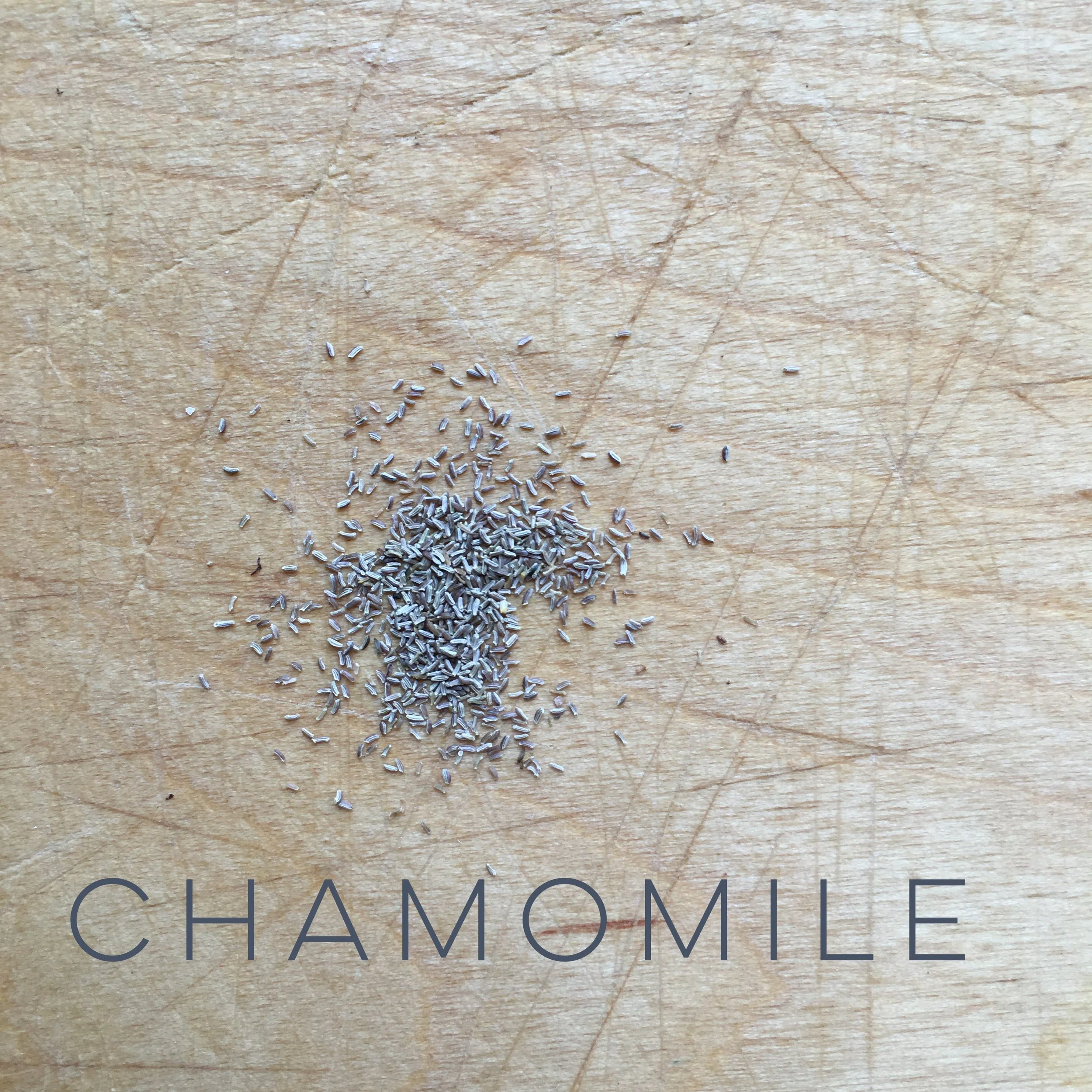
Though German chamomile is European in origin, many Indigenous communities have long traditions of using native Asteraceae family plants similarly — as calming, digestive-supporting teas. The broader plant family reminds us that soothing nervines appear in many ecosystems.
Growing & Foraging
Chamomile is a wonderful addition to suburban permaculture beds. It self-seeds readily, fills in gaps, and attracts beneficial insects. In a late winter garden plan, chamomile represents calm continuity. While it won’t emerge until after frost danger passes, dried blossoms from last summer carry you through winter’s end.
Allow some plants to self-seed. Chamomile often naturalizes into a soft groundcover between vegetables. Easy annual. Direct sow after last frost. Harvest blossoms when fully open. Will often reseed itself year after year.
How to enjoy:
A classic bedtime tea, chamomile is perfect when spring’s allergies or restless energy disrupt sleep. It gently eases the nervous system and helps the body rest.
Steep 1–2 tsp dried chamomile flowers for 5–7 minutes. A splash of warm milk makes it extra soothing.
Benefits:
Promotes restful sleep
Quieting for the mind and digestion
Anti-inflammatory
Contraindications:
Avoid if allergic to ragweed or other Asteraceae plants. May enhance sedative medications.
Peppermint (Mentha × piperita) — Uplifting & Digestive
The expansive energizer. Peppermint tea is refreshing and cooling — great for easing tension headaches, clearing sinuses, and aiding digestion after heavier winter meals.
Peppermint spreads. Confidently. Enthusiastically. It teaches gardeners quickly about containment.
Yet that same vitality makes it an early spring ally — clearing sinuses, lifting heavy digestion, and brightening mood with its volatile oils.
It’s a plant that moves energy. A tea for stagnation — physical or mental.
Many mint species are native to North America and were used traditionally for digestion and respiratory support. Peppermint itself is a cultivated hybrid, but its family lineage carries a long history of aromatic medicine.
Growing and Foraging
Hardy perennial. Plant in containers or contained beds. Harvest before flowering for best flavor. Mint attracts pollinators when allowed to flower — just be mindful of containment.
Hardy in Zone 4, it spreads vigorously through runners. In suburban gardens, plant it in containers or contained guild spaces.
How to enjoy:
In early spring, peppermint clears mental and physical stagnation. It’s especially helpful when sinus congestion lingers as snow melts.
Steep fresh or dried leaves for 5–7 minutes. It’s delicious hot or iced as spring warms up.
Benefits:
Soothes bloating and gas
Clears congestion
Bright, invigorating flavor
Contraindications:
May worsen acid reflux or GERD. Avoid concentrated forms in very young children.
Rosehip (Rosa canina) — Vitamin-C Boost
The winter lantern. Rosehips are packed with vitamin C, making them excellent for immune support as winter colds linger and spring allergies ramp up.
Long after petals fall, the rose remains.
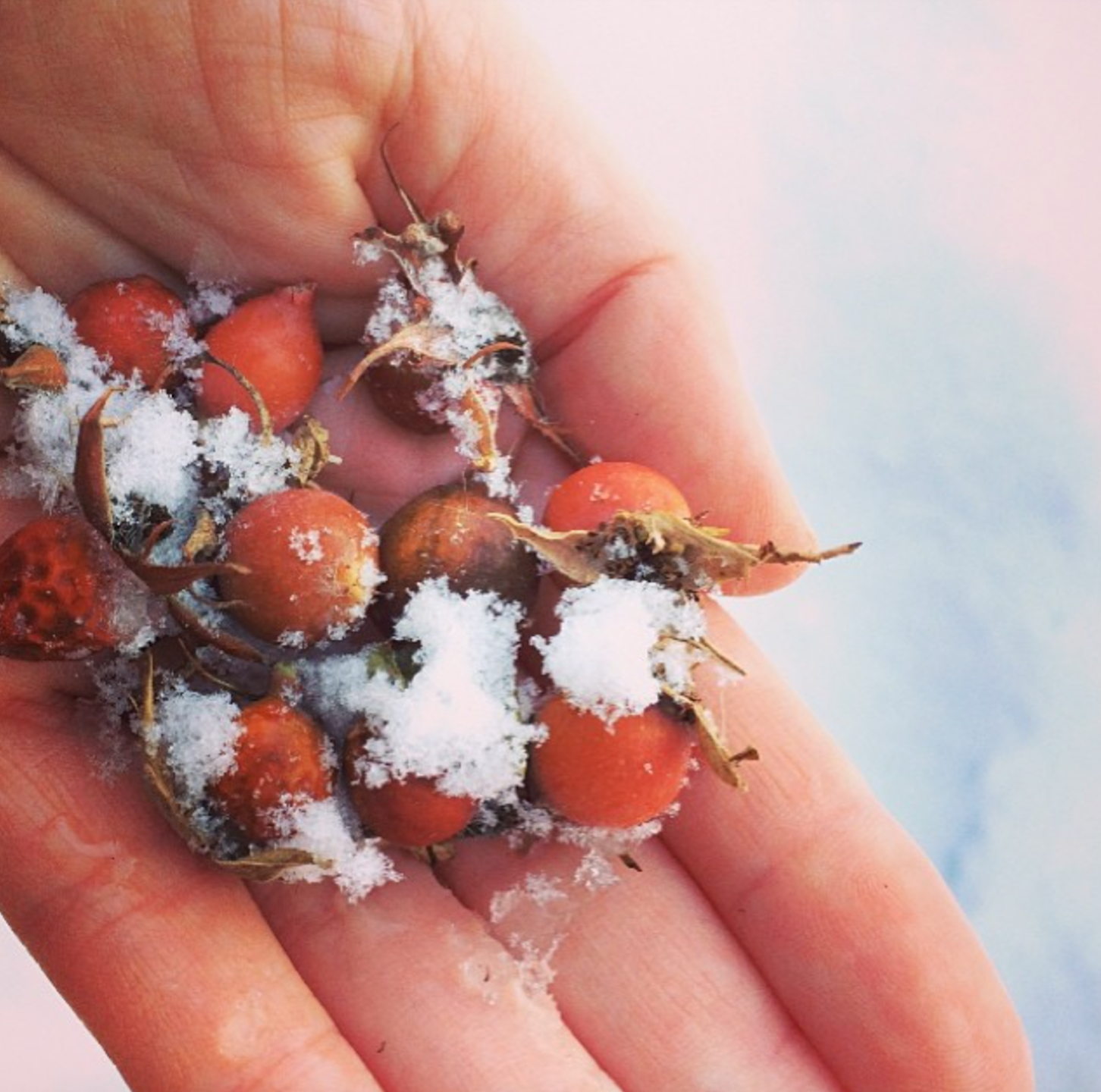
Rosehips swell and redden through autumn, persisting into winter as food for birds and wildlife. They are resilience made visible — vitamin C held in bright lanterns against snow.
Roses are more than ornamental shrubs in suburban landscapes. In permaculture design, they offer beauty, habitat, and medicine.
Rosehips persist through frost — often sweetest after a hard freeze. Birds rely on them heavily through winter, so harvest selectively.
Wild roses native to North America were widely used by Indigenous communities for food and medicine. Rosehips provided vitamin-rich nourishment during colder months. When foraging suburban roses, prioritize unsprayed plants and ethical harvest practices.
Growing and Foraging:
Harvested after frost, they soften and sweeten — offering tart brightness just when winter feels longest. Many wild and cultivated roses thrive in Zone 4. Harvest after frost. Leave plenty for birds. Choose unsprayed plants. Incorporate hardy roses into edible hedgerows. They provide habitat, pollinator support, and winter nutrition.
How to enjoy:
Use crushed rosehips and steep for 10–12 minutes. Combine with hibiscus for a tart floral blend.
Benefits:
Immune support
Antioxidant-rich
Bright, tangy flavor
Contraindications:
Use cautiously if prone to kidney stones. May interact with blood-thinning medications in large amounts. Remove irritating inner hairs before consuming whole hips.
Tea Blends to Match the Season
Here are some easy herbal combinations for late winter to early spring:
Mineral Rebuild Infusion
Deeply nourishing and gently uplifting.
· Nettle (2 parts)
Rosehip (1 part)
Peppermint (½ part)
Thaw & Warm Blend
Supports circulation and energy as snow melts and damp cold lingers.
Ginger (1 part)
Nettle (1 part)
Licorice root (¼ part)
Calm the Storm Tea
For restless sleep and early allergy stirrings.
Chamomile (1 part)
Peppermint (½ part)
Rosehip (½ part)
Brewing Tips for Best Results
Use fresh, high-quality herbs — their flavor and benefits come through more strongly.
· Steep 15–20 minutes for a stronger mineral infusion.
Cover while steeping to keep volatile oils (like in peppermint and chamomile) from escaping.
Drink mindfully — herbal tea is nourishment, not just hydration.
Late winter into early spring is a time of transition — a period when our bodies deserve gentleness, replenishment, and grounding support. Herbal teas offer warmth, nutrients, and a moment of calm in every cup. Whether you’re sipping nettle to restore minerals or chamomile to unwind at night, these seasonal teas can help you move into spring feeling balanced and supported.
This transition time is not about dramatic detoxes or sudden reinvention. It is about rebuilding mineral stores. Warming gently. Clearing slowly. Making space.
As gardeners, we are not separate from that rhythm.
These plants — nettle in the margins, chamomile in the disturbed soil, peppermint contained but exuberant, rosehips feeding birds through snow — teach us how to transition well.
Tea, at its best, is not just an infusion of leaves in water. It is a participation in the season. A getting-to-know the plants. When you brew nettle from the edge of your yard, sip rosehips from a hedgerow, or harvest mint from a contained bed, you participate in a system that values resilience, reciprocity, and regeneration.
Tea becomes more than a beverage. It becomes relationship. Enjoy the season.