
Fall Wildflowers & Herbs: Planting for Pollinators, Soil, and the Seasons Ahead
A fall guide for small gardens that think beyond the harvest
Helpful Resources to Ground Your Planning
As the growing season winds down, it helps to pair what you’re noticing in the garden with a few steady reference points:
Local first frost dates (via extension services or NOAA)
Native plant databases (state or regional)
Pollinator Partnership planting guides
Seed suppliers specializing in native or open-pollinated plants
These tools help confirm what fall already teaches us: timing matters, and small actions now ripple forward.
Fall Isn’t an Ending — It’s a Transfer of Energy
October often arrives with a sense of urgency. Beds are clearing. Frost threatens. The instinct is to tidy, pull, and close the season down. But in natural systems, autumn is not about stopping—it’s about redistributing energy.
Wildflowers drop seed. Herbs pull nutrients back into their roots. Insects seek shelter. Birds forage and prepare. What looks like decline is actually quiet preparation.
Planting wildflowers and herbs in October works with this rhythm. The soil is still warm, moisture is more reliable, and plants have time to settle in before winter dormancy.
Why October Is Ideal for Wildflowers & Herbs
Fall planting mirrors natural cycles:
Cold exposure improves germination for many species
Roots establish without the stress of summer heat
Plants emerge earlier and stronger in spring
Less competition from weeds
For small suburban gardens, fall planting also spreads the workload—reducing spring overwhelm and creating early-season habitat when pollinators need it most.
Wildflowers That Do Well with Fall Planting (Northern Climates)
These species support pollinators, tolerate variable conditions, and fit well into small plots, edges, and mixed beds:
Reliable Native Wildflowers
Black-eyed Susan (Rudbeckia hirta) – adaptable, long-blooming, early pollinator support
Purple coneflower (Echinacea spp.) – drought-tolerant, winter interest, seed for birds
Yarrow (Achillea millefolium) – tough, soil-stabilizing, excellent for beneficial insects
Wild bergamot / Bee balm (Monarda fistulosa) – supports bees and hummingbirds
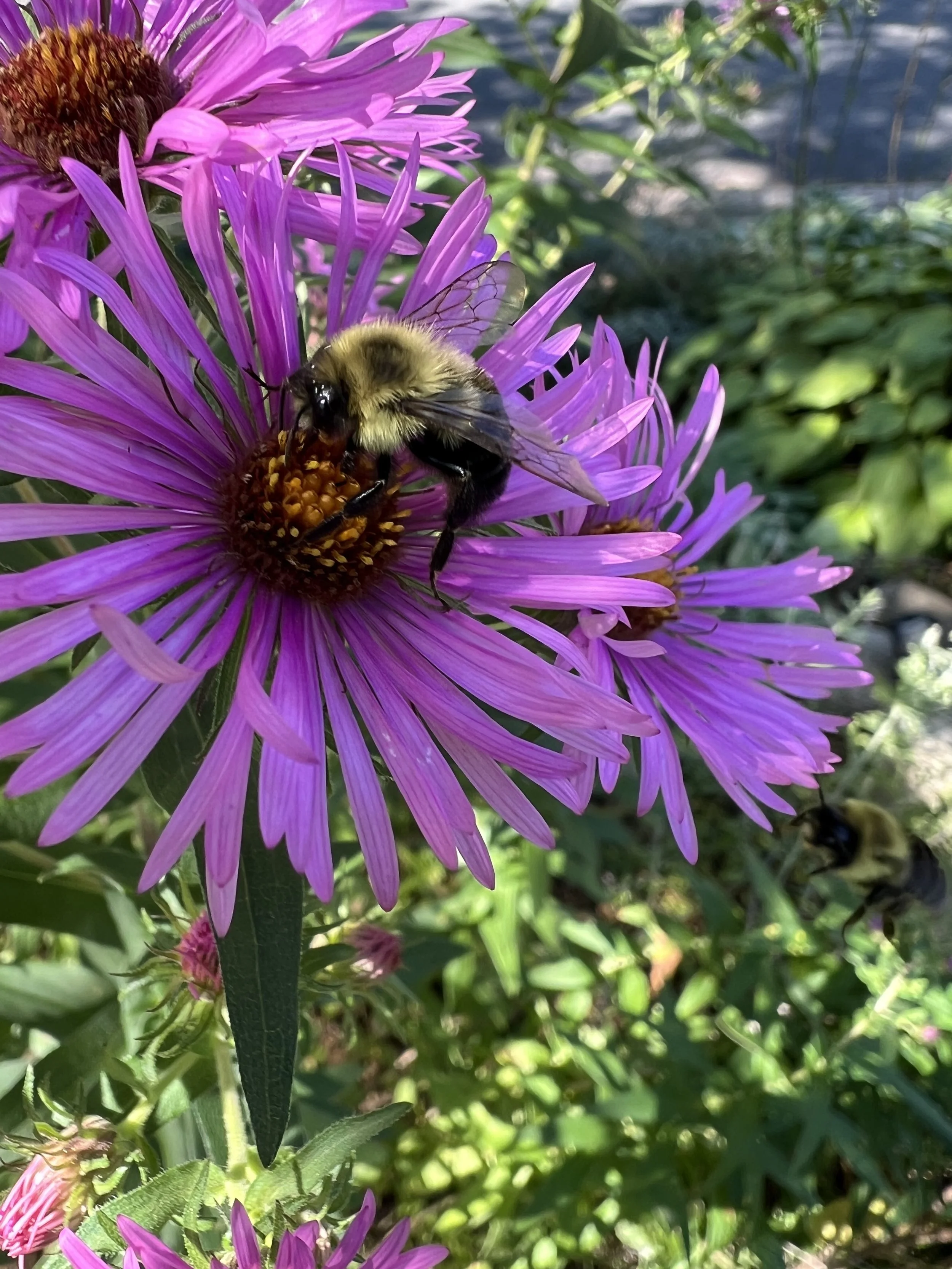
Asters (Symphyotrichum spp.) – critical late-season nectar source
Plant as plugs or seed into lightly disturbed soil. Mulch gently—think leaf litter, not burial.
Herbs That Benefit from Autumn Attention
Fall is an ideal time to establish perennial herbs or allow annuals to self-seed.
Cold-Hardy & Resilient Herbs
Chives – early spring food for pollinators
Thyme – ground cover, erosion control, evergreen in mild winters
Sage – hardy varieties establish strong roots before frost
Mint (contained) – tough, spreads readily, excellent pollinator plant
Yarrow – both wildflower and medicinal herb
These herbs stabilize soil, provide early nectar, and often reappear before vegetables wake up in spring.
Supporting Wildlife Through the Transition
October planting isn’t just about plants—it’s about continuity.
Leaving seed heads, hollow stems, and fallen leaves:
Provides shelter for overwintering insects
Feeds birds and small mammals
Protects soil from erosion and temperature swings
In northern suburban areas, these small patches of refuge can be critical stepping stones through fragmented landscapes.
A “messy” garden in October is often a high-functioning ecosystem.
A Gentle Approach to Fall Maintenance
Rather than clearing everything:
Cut back selectively
Leave roots in place to hold soil
Mulch with chopped leaves
Mark newly planted areas clearly
Think of your garden as pausing, not closing.
Planting for the Future You Can’t Yet See
October planting requires a particular kind of faith. You place seeds or small plants into cooling soil with no immediate reward. There’s no harvest to admire, no bloom to enjoy.
But this is how forests grow.
The work you do now—quiet, unseen, patient—sets the stage for resilience, beauty, and life months from now. In a changing climate, this kind of long-view care matters more than ever.
You’re not just ending a season.
You’re carrying it forward.
A Practical Way to Carry This Forward
If you’d like a simple way to translate these ideas into action, I’ve created a Printable October Wildflower & Herb Checklist to support fall planting in small-scale gardens.
The guide walks through observation, plant selection, working with fall rain, and leaving habitat — all at a pace that fits the season. It’s meant to be flexible, encouraging, and realistic, especially in years when energy or growing conditions feel limited.
Read the companion post and download the October Wildflower & Herb Checklist