
Planning for Resilient Gardens in a Changing Climate
Helpful Resources to Ground What You’re Sensing
Before we dig into planning, it helps to understand the conditions shaping your garden—both what you’re noticing outside and what you may be hearing on the news.
USDA Plant Hardiness Zone Map – to track shifting temperature norms
NOAA Climate Normals & Local Forecasts – for long-term patterns, not just daily weather
Local Extension Services – often the most practical, region-specific guidance
Your Own Garden Journal – last year’s notes are often the most accurate data you have
These tools help translate intuition into insight—confirming what your garden is already telling you.
Setting the Tone: Change Isn’t the Enemy — Imbalance Is
Winter is a natural pause. In the garden, it’s the season of quiet systems at work beneath frozen soil, roots holding memory, seeds waiting for the right signal. Climate change doesn’t remove this rhythm—but it does distort it. Winters may be warmer, wetter, shorter, or punctuated by extreme cold snaps. Springs may arrive early and retreat again.
The challenge isn’t that conditions change. The challenge is when change comes too fast, too often, or out of balance.
Resilient gardening begins with learning how to guide, correct, and rebalance, rather than forcing certainty where none exists. January planning is less about predicting the season ahead and more about preparing your garden—and yourself—to respond well.
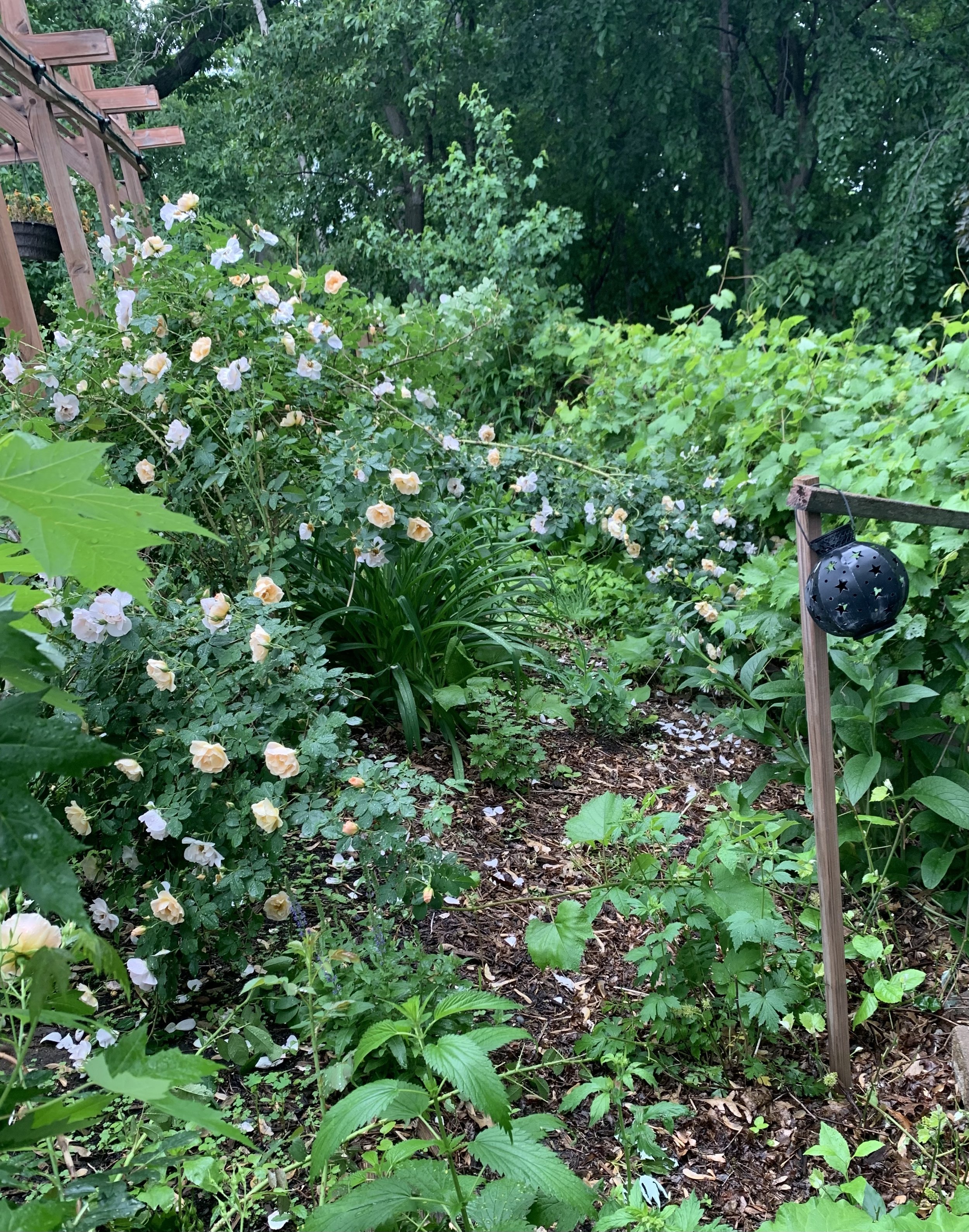
Think Like a Forest: Planning as a Living System
Forests don’t plan for one outcome. They plan for range.
In a small suburban or urban garden, this means shifting away from rigid plans (“this bed must do exactly this”) toward adaptive frameworks:
Diversity over monoculture
Layers over rows
Flexibility over perfection
Ask yourself:
Where did water pool last year?
Which plants surprised me with resilience?
Where did stress show up first—soil, leaves, yields?
These observations are the beginning of a resilient plan.
Step One: Design for Variability, Not Average Conditions
Climate “normals” are becoming less reliable. Instead of planning for the ideal season, plan for ranges:
Practical Planning Moves
Choose crop varieties with wider tolerance ranges (heat, cold, moisture)
Plan backup plantings rather than single points of failure
Mix early-, mid-, and late-season crops in the same family
Leave room for mid-season pivots (extra seedlings, open spaces)
This approach mirrors forest succession—if one species falters, another steps forward.
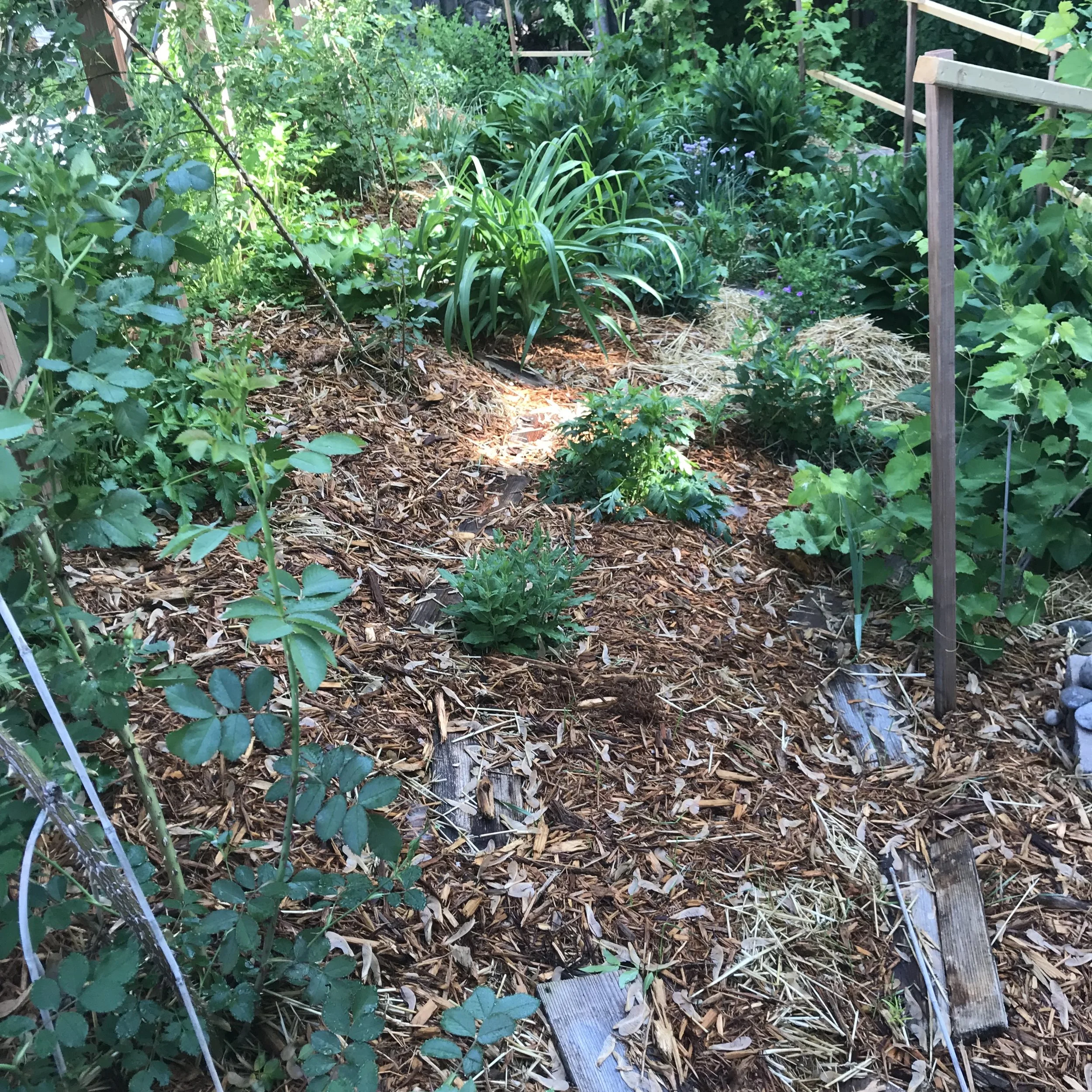
Step Two: Build Soil That Buffers Extremes
Healthy soil is your garden’s nervous system. It moderates temperature, manages water, and feeds plants slowly and steadily.
January Soil Planning Checklist
Review soil test results (or plan to test early spring)
Identify beds that compacted or drained poorly
Source compost or organic matter now (before spring rush)
Consider cover crops or winter mulches where soil is exposed
In wet years, organic matter improves drainage.
In dry years, it retains moisture.
In volatile years, it does both.
Step Three: Plan for Water—Too Much or Too Little
January is the time to plan water systems, not just planting maps.
Ask:
Where can excess water sink rather than run off?
Where could water be stored for later dry spells?
Small-Scale Strategies
Shallow swales or contour planting
Rain gardens with deep-rooted perennials
Rain barrels tied to key beds
Mulched basins around shrubs and trees
These strategies don’t just help plants—they support soil life, insects, birds, and amphibians, turning your yard into a functioning ecosystem rather than a drained surface.
Step Four: Choose Plants That Play Well With Others
Resilient gardens favor plants that:
Support pollinators and beneficial insects
Tolerate stress without demanding constant intervention
Contribute to soil health or microclimate regulation
January is a good time to flag:
Perennials that anchor beds year after year
Herbs that self-seed or bounce back after stress
Native or well-adapted plants that local wildlife already relies on
In northern suburban spaces, this kind of planting helps birds, small mammals, and overwintering insects move through fragmented landscapes more safely.
Step Five: Plan for Yourself, Too
Resilience isn’t only botanical.
Many gardeners enter winter tired—especially after seasons shaped by smoke, floods, heat, or lost yields. January planning should feel steadying, not overwhelming.
Try:
Planning fewer beds more thoughtfully
Leaving intentional “rest space” in the garden
Choosing one experiment instead of five
Naming success differently: observation, learning, survival
A resilient garden doesn’t demand constant optimism. It allows room for uncertainty—and still grows.
A Closing Thought: Quiet Work Still Counts
It can be hard to face another season of unknowns, especially when the growing season is short and the stakes feel high. But January reminds us that much of the forest’s work happens invisibly. Roots deepen. Networks strengthen. Energy is conserved for the right moment.
Your planning now—your noticing, adjusting, and choosing balance over control—is already part of the harvest to come.
Resilience is not loud.
It is patient.
And it is built, season by season.
A Steady Place to Begin
If you’d like a simple way to carry this planning forward, I’ve created a Printable January Planning Gardening Checklist to support reflection, climate awareness, soil and water planning, and setting gentle intentions for the season ahead.
It’s designed for small-scale, urban, and suburban gardens—and meant to be used at your own pace. You can download it, print it, or return to it throughout the month as you notice what your garden is already telling you.
Read the companion post and download the January Planning Checklist