
Foraging Evergreen & Winter Plants for Tea and Simple Medicinals
December often arrives quietly in the garden. Beds are frozen or resting under snow. Most plants have retreated below ground. And yet, life is still present — held in needles, bark, berries, and leaves that persist through winter.
Foraging in December isn’t about abundance. It’s about relationship.
Evergreen and winter-resilient plants have long been used for teas and gentle medicinals, especially in northern climates where fresh greens were scarce. These plants offer warming, aromatic, mineral-rich support at a time when bodies — and spirits — can feel depleted.
This practice doesn’t require wild land or deep forest access. Many winter plants grow in suburban yards, hedgerows, parks, and planted landscapes. What matters most is careful identification, ethical harvesting, and respect for the ecosystem you’re gathering from.
Helpful Resources: Foraging Safely in Winter
Before harvesting anything, it’s essential to be confident in identification and safety — especially in winter, when plants look different than they do in summer.
Helpful tools and references:
Local extension service or native plant society guides
Regional foraging books (specific to your climate)
iNaturalist or similar plant ID apps (use as confirmation, not sole source)
City or park regulations regarding foraging
Air quality awareness (avoid foraging near roads, treated lawns, or polluted areas)
Winter foraging is slow and deliberate. If you’re unsure, don’t harvest.
A Forager’s Ethic for the Winter Months
Winter is the hardest season for plants and animals alike. Harvest lightly.
Take no more than 10–20% from any one plant
Avoid harvesting from stressed or isolated plants
Never strip a branch or shrub
Leave berries and cones for birds and wildlife
Harvest only where plants are abundant and well-established
Think of winter foraging as receiving an offering, not collecting a supply.
Evergreen & Winter Plants for Tea and Gentle Support
Below are common winter plants used traditionally for teas and mild medicinals. Always confirm identification and personal safety before use.
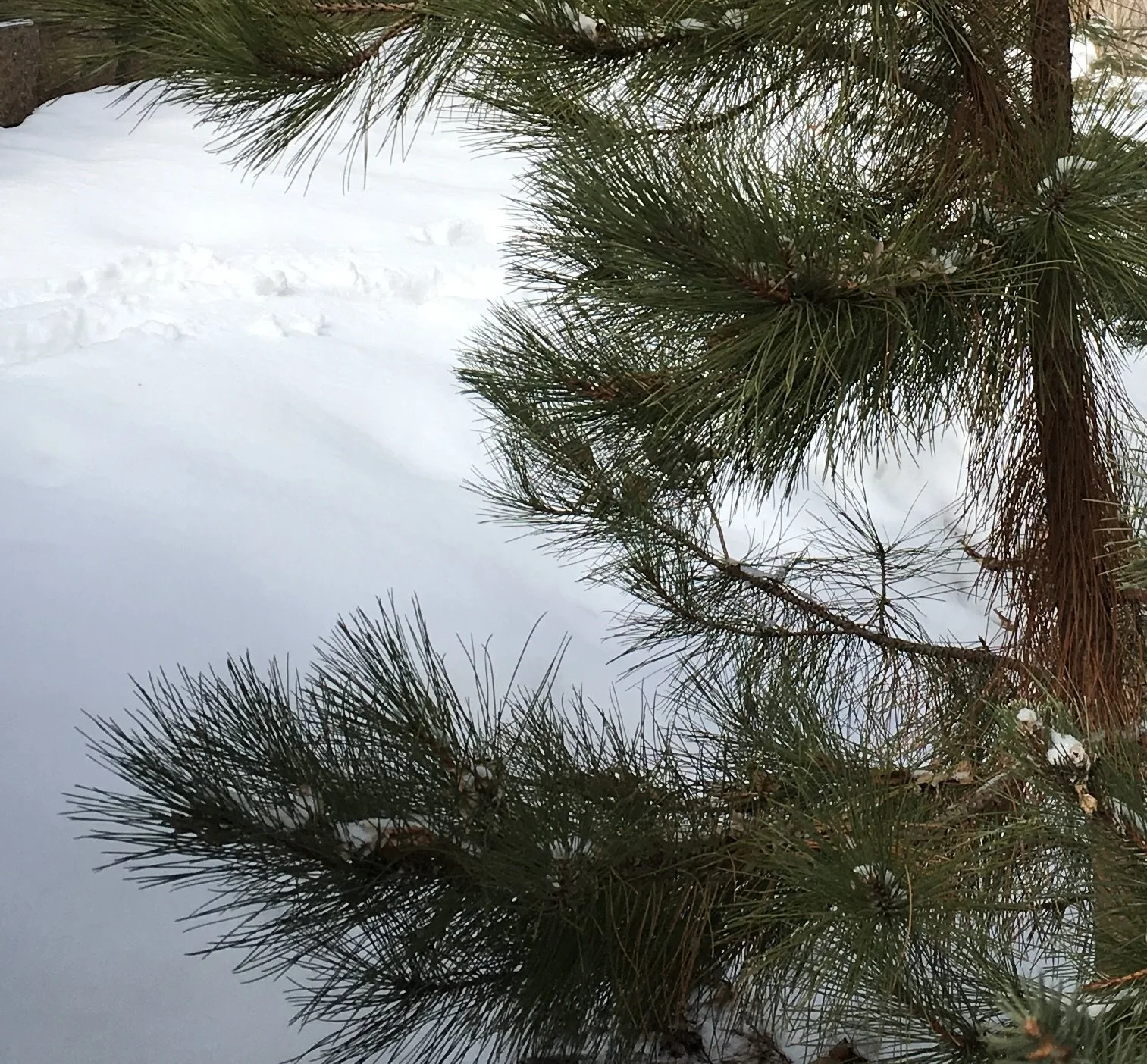
Pine (White Pine Preferred)
Parts used: Needles
Uses: Vitamin C-rich tea, respiratory support, uplifting aroma
White pine needles can be steeped fresh or dried. Avoid yew and other toxic lookalikes — identification is critical.
Spruce
Parts used: Needles and young tips
Uses: Immune support, respiratory comfort, warming tea
Spruce needles produce a citrusy, resinous tea. Older needles are fine in winter; young tips are best harvested in spring.
Fir
Parts used: Needles
Uses: Grounding, aromatic tea, respiratory support
Fir teas tend to be softer and sweeter than pine or spruce.
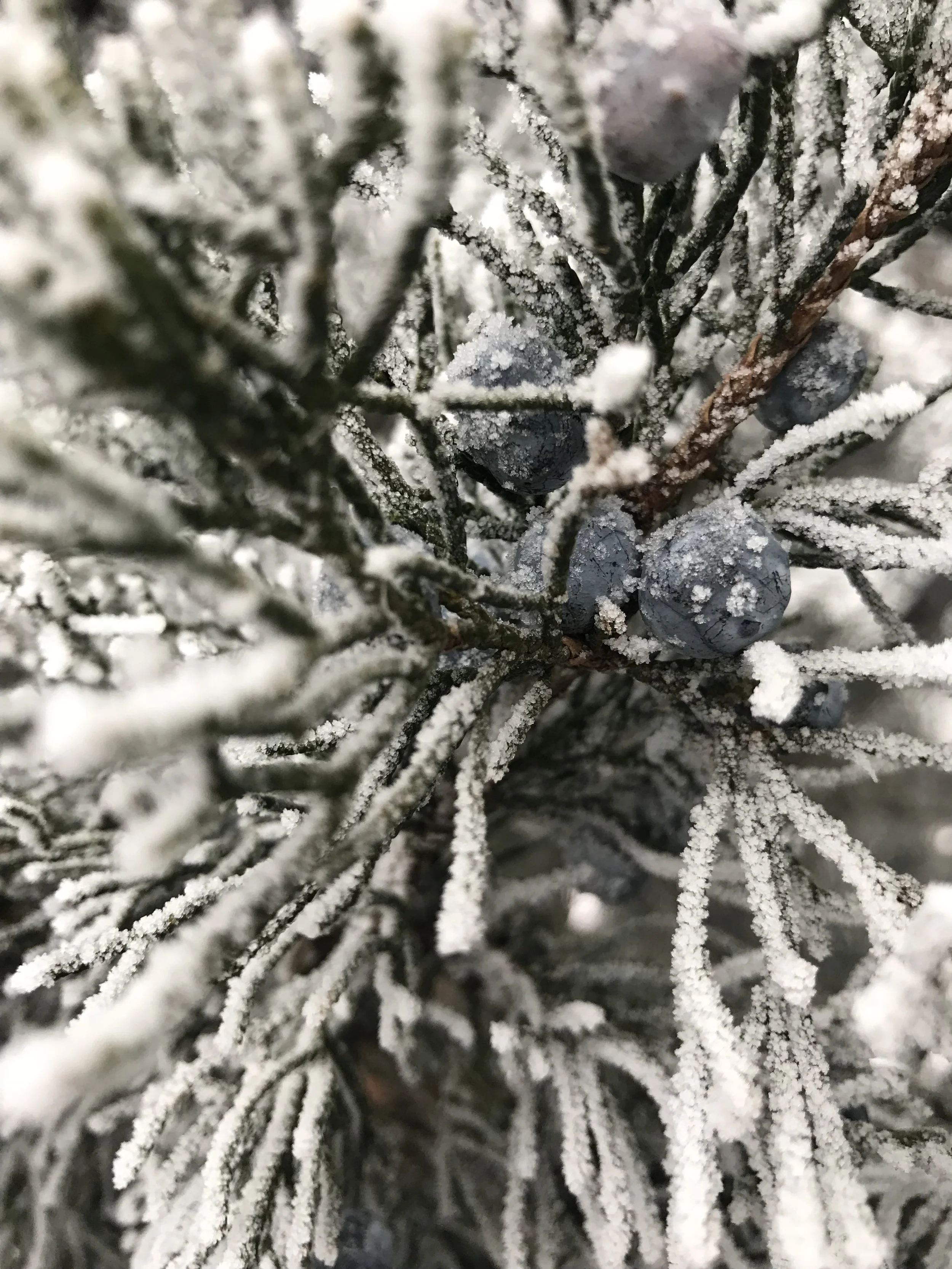
Juniper (Very Selective Use)
Parts used: Berries (technically cones)
Uses: Digestive support, warming blends
Use sparingly and only with correct identification. Not all junipers are safe, and they are not appropriate for everyone.
Winter Shrubs & Trees Beyond Evergreens
Birch
Parts used: Bark (fallen), buds
Uses: Gentle detoxifying teas, mineral support
Never strip bark from living trees. Use only fallen or storm-damaged material.
Willow
Parts used: Bark (small amounts)
Uses: Traditional pain-relief teas
Use cautiously and avoid if allergic to aspirin.
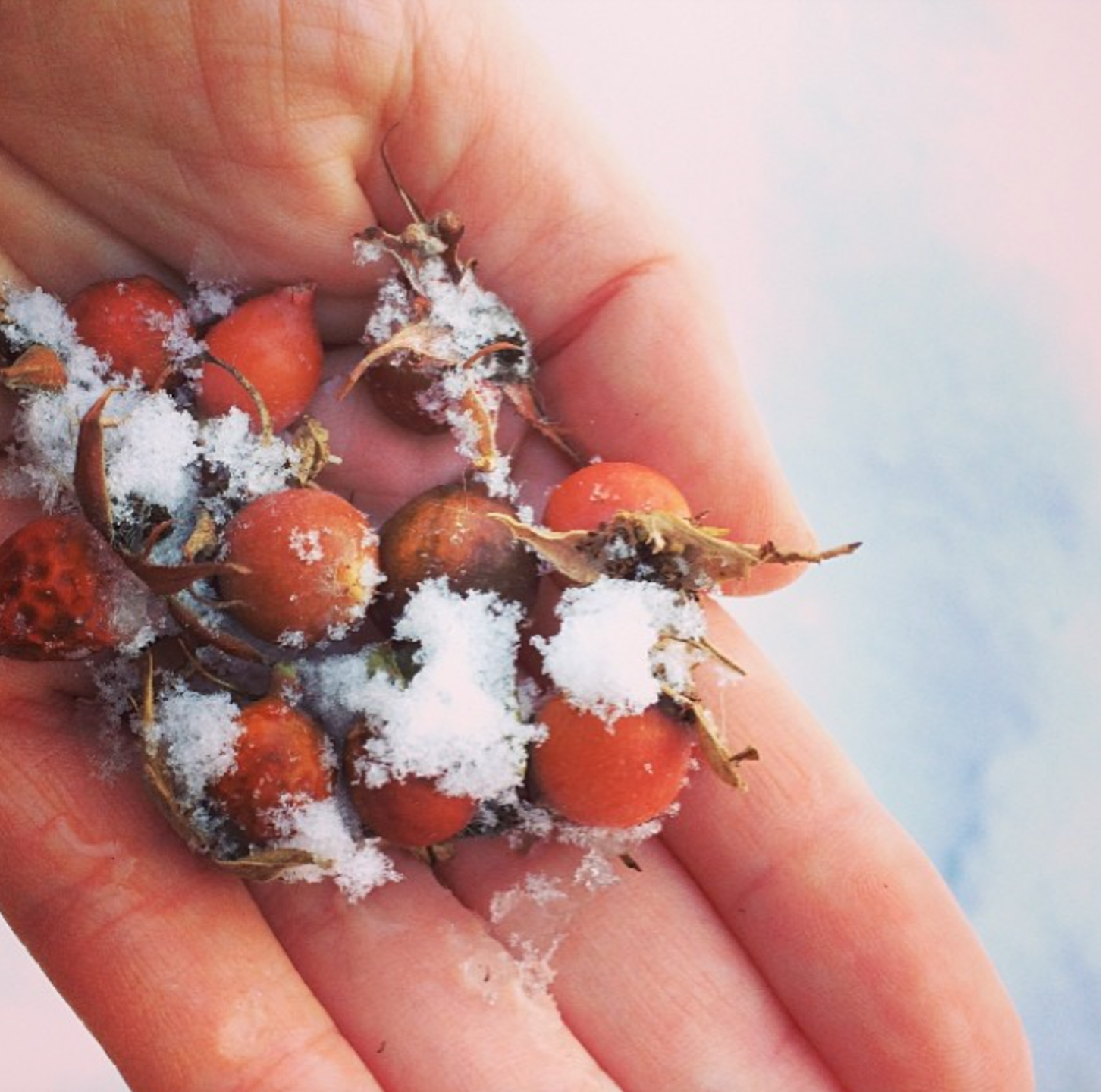
Rose (Wild or Rugosa)
Parts used: Hips (if still present)
Uses: Vitamin-rich tea, immune support
Rose hips often persist into early winter and are valuable food for both people and wildlife — harvest lightly.
How to Make a Simple Winter Tea
Chop needles or plant material finely
Bring water just below boiling
Pour over plant material
Cover and steep 10–20 minutes
Strain and enjoy
Covering the tea helps retain aromatic oils — an important part of winter plant medicine.
Supporting the Ecosystem While You Forage
Winter plants are critical shelter and food sources.
Avoid harvesting from windbreaks and shelterbelts
Leave berry-producing shrubs untouched when possible
Harvest from multiple plants rather than one
Return unused material to the soil or compost
Foraging well means leaving the place stronger than you found it.
Gathering as a Winter Practice
December foraging isn’t about productivity or self-sufficiency. It’s about attention.
When you step outside in winter to gather tea — even a single branch — you’re participating in a long tradition of noticing what endures. These plants remind us that life doesn’t disappear in hard seasons. It concentrates. It protects itself. It waits.
And in doing so, it offers quiet nourishment — just enough to carry us through.