
Wild Pollinators & Beneficial Insects for Your Suburban Garden
A Garden Is Never Just a Garden
When we plant a garden, we often think about vegetables, flowers, or landscaping.
But beneath the blooms and between the leaves, something much bigger is happening.
Your suburban yard can become part of an urban ecology — a living network of habitats that support pollinators, beneficial insects, birds, soil organisms, and ultimately people. Even small spaces can function like tiny ecosystems when designed with nature in mind.
A single yard may feel small.
But many small habitats, connected across neighborhoods, can restore biodiversity at scale.
Welcome to the world of wild pollinators and beneficial insects.
Why Pollinators Matter
Pollinators move pollen between plants, allowing fruits, seeds, and vegetables to develop. Roughly one out of every three bites of food we eat depends on pollination.
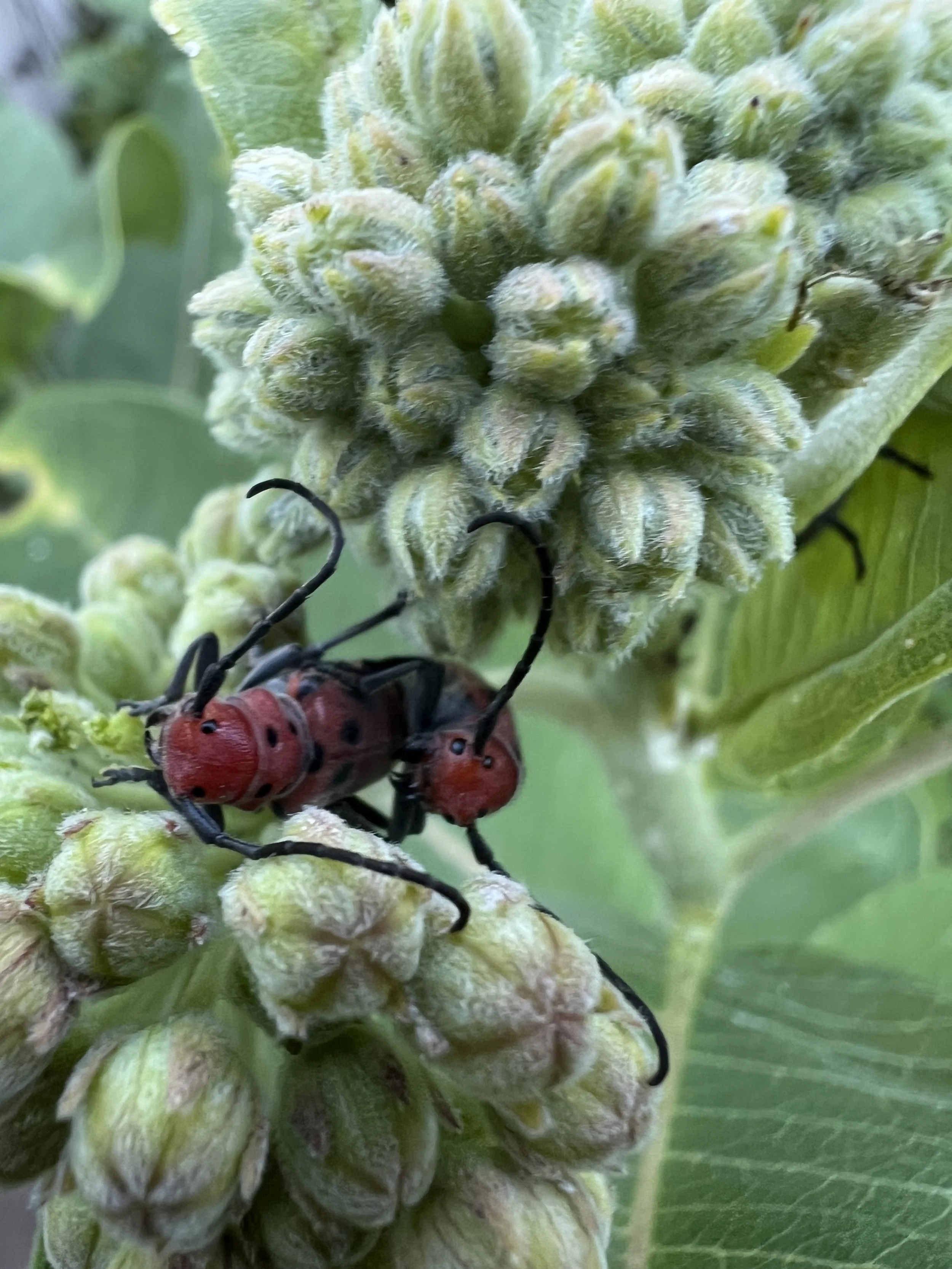
While honeybees get most of the attention, they are only one piece of the story.
Your garden can support:
Native bees (bumblebees, mason bees, leafcutter bees)
Butterflies and moths
Hoverflies
Beetles
Wasps that control pests
Beneficial flies and insects that maintain ecological balance
These species evolved alongside native plants — and many are declining due to habitat loss, pesticide exposure, and fragmented landscapes.
The encouraging news?
Suburban gardens are uniquely positioned to help.
Beneficial Insects: Nature’s Garden Team
Not every insect in your garden is a pest. Many are quiet partners working behind the scenes.
Predators
These insects help control pests naturally:
Lady beetles eat aphids
Lacewings consume soft-bodied pests
Ground beetles target slugs and larvae
Parasitic wasps regulate harmful insect populations
A healthy garden isn’t insect-free — it’s balanced.
Pollinators
These visitors improve flowering and harvest yields:
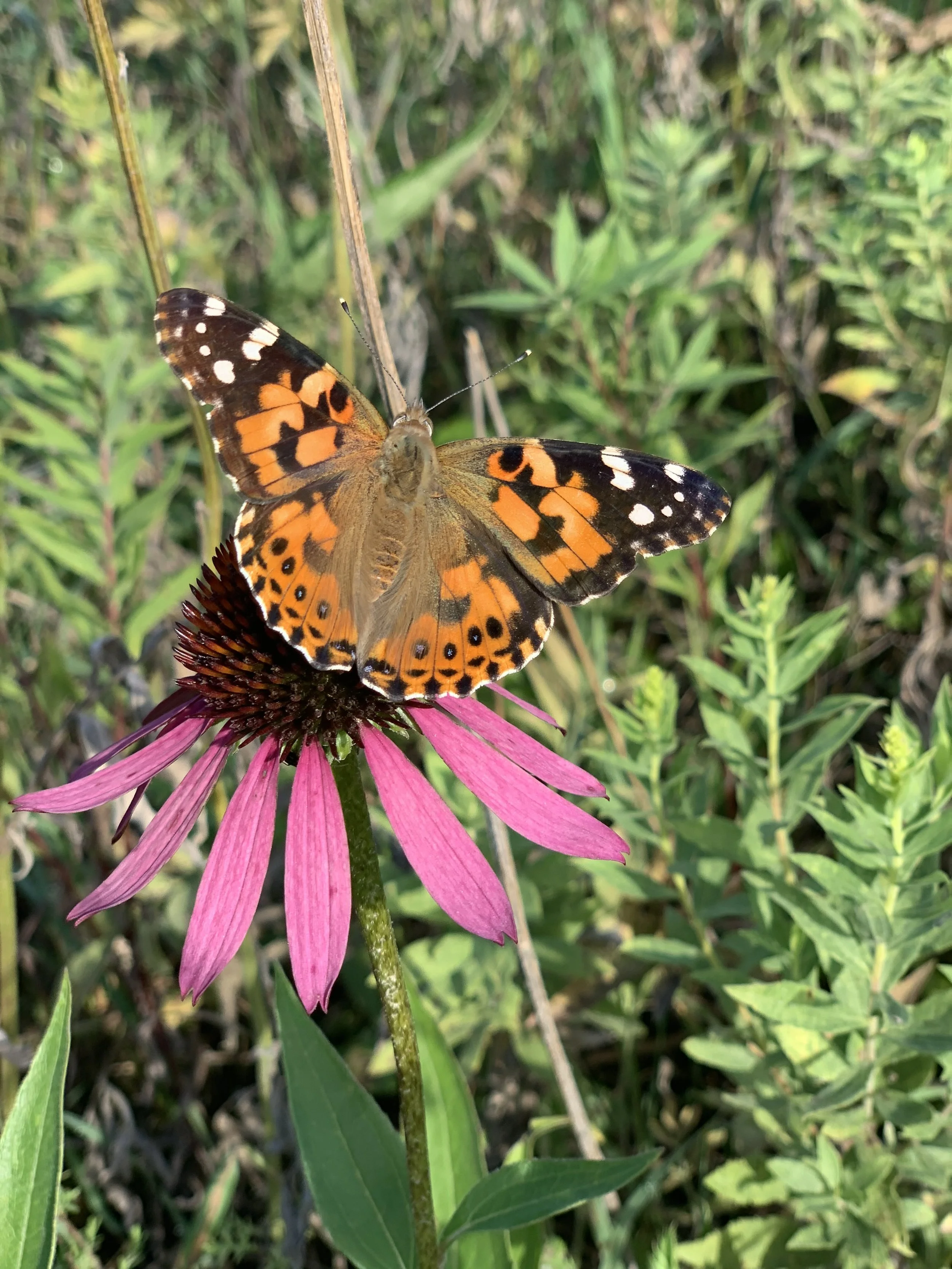
Native bees pollinate more efficiently than honeybees
Butterflies support plant reproduction
Hoverflies pollinate while their larvae eat aphids
The goal of habitat gardening isn’t perfection — it’s relationship.
What Is Habitat Gardening?
Habitat gardening means designing your landscape to meet the full life cycle needs of insects:
Food
Shelter
Water
Safe overwintering spaces
Instead of treating the garden as decoration, we treat it as shared habitat.
How to Create Pollinator Habitat in a Suburban Yard
You don’t need acreage or a formal meadow. Small, intentional changes make a significant impact.
1. Plant for Continuous Bloom
Pollinators need food from early spring through late fall.
Aim for:
Early bloomers (willow, prairie smoke, crocus)
Summer nectar plants (coneflower, bee balm, milkweed)
Fall flowers (asters, goldenrod)
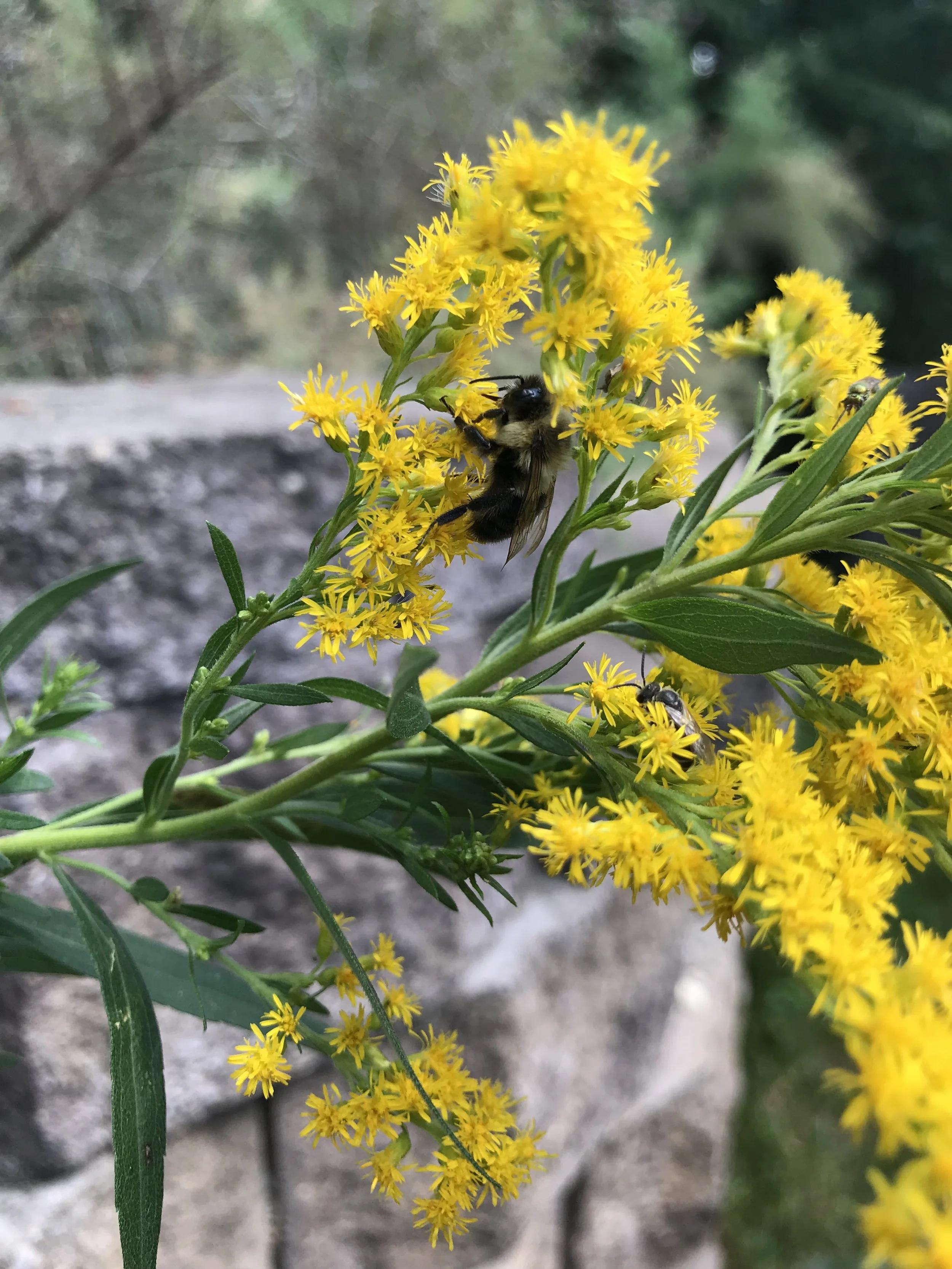
Native plant databases and regional resources help identify species suited to your climate and soil.
2. Choose Native Plants When Possible
Native plants provide:
Better nectar and pollen sources
Host plants for butterfly larvae
Adaptation to local conditions
Think of native plants as the original infrastructure of your local ecosystem.
3. Reduce or Eliminate Pesticides
Many pesticides harm beneficial insects as well as pests.
Instead:
Accept small amounts of plant damage
Encourage predator insects
Improve soil health to strengthen plants naturally
A resilient garden tolerates imperfection.
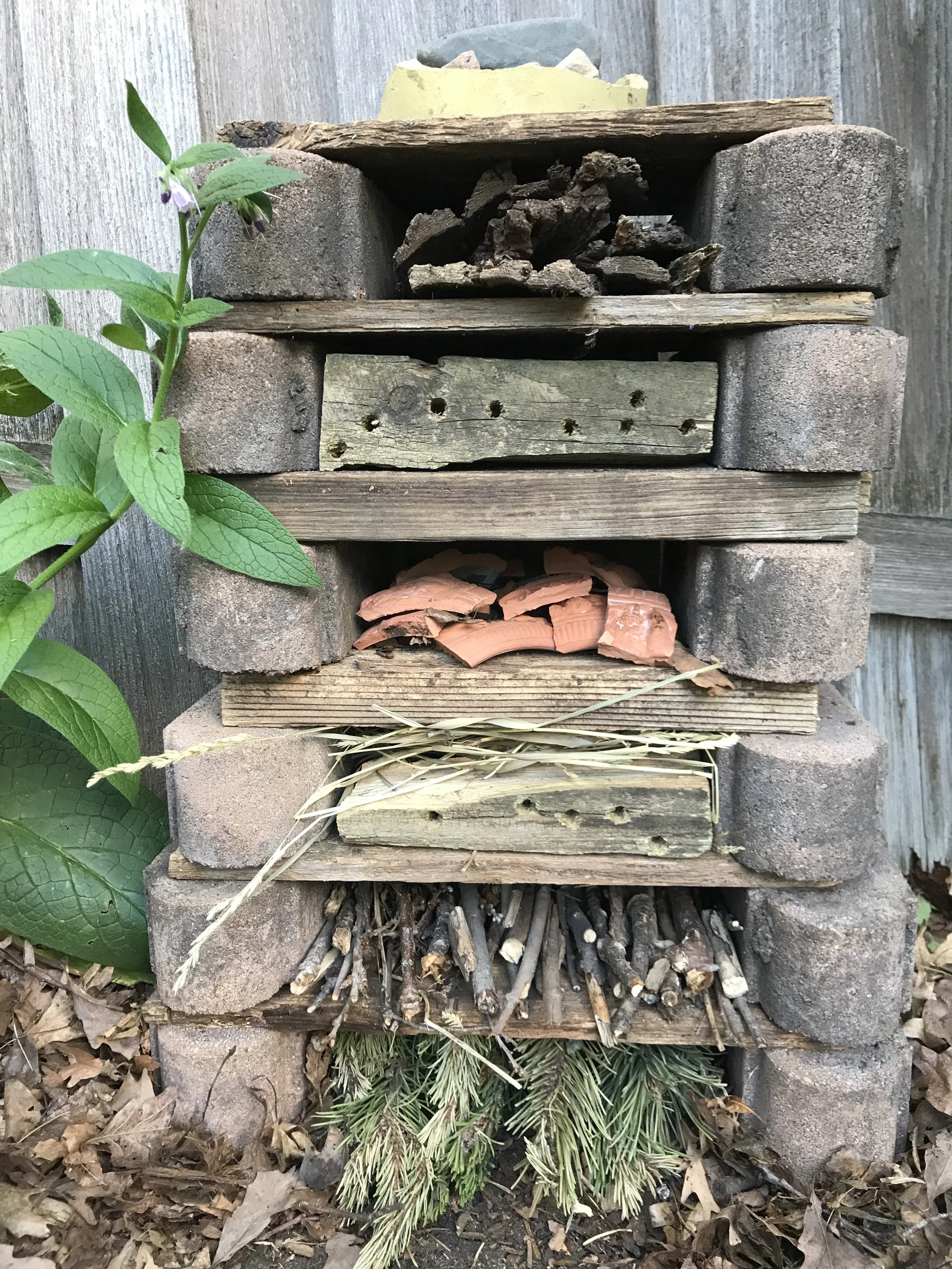
4. Leave Some Wildness
Beneficial insects need places to live, not just places to visit.
Consider leaving:
Hollow stems over winter
Leaf litter under shrubs
Small brush piles
Untidy corners
What looks messy to humans often looks like home to wildlife.
5. Provide Water Sources
A shallow dish with stones or a small birdbath gives insects a safe place to drink.
Even tiny water sources increase habitat value.
The Power of Urban Ecology
Cities and suburbs are often seen as ecological deserts — but research increasingly shows that urban landscapes can become biodiversity refuges when residents participate.
Your backyard connects to:
Neighboring gardens
Parks and greenways
Schoolyards
Community plantings
Together, these spaces form corridors that allow species to move, feed, and survive.
A tiny forest mindset recognizes that many small habitats, working together, create dramatic environmental impact.
Start Small. Think Like Nature.
You don’t need to redesign your entire yard overnight.
Begin with:
One native plant bed
One pesticide-free season
One patch left a little wilder
Nature responds quickly when given even modest support.
Pollinators will arrive.
Beneficial insects will rebalance your garden.
And your outdoor space becomes not just something you maintain — but something alive that participates in a larger system.
Tiny Forest Farm Perspective
Every suburban garden has the potential to function like a tiny ecosystem — productive, resilient, and connected to something larger.
When we garden for pollinators and beneficial insects, we aren’t just growing plants.
We’re rebuilding habitat.
We’re supporting food systems.
We’re participating in urban ecology — one backyard at a time.