
Water Wisdom: Managing Early Spring Showers and Saturation
Water Wisdom: Managing Early Spring Showers and Saturation
How to work with spring rain instead of fighting it
Meta Description:
Learn to harness spring rains with swales, raised beds, and water-smart planting strategies for small gardens.
Keywords: rain management, water-smart gardening, swales, raised beds
When Spring Arrives All at Once
In many northern climates, spring doesn’t ease in gently.
Snow melts.
Rain follows.
Soils thaw faster than they can drain.
Suddenly lawns feel spongy, garden beds flood, and planting plans stall under saturated soil.
It can feel like a problem — but in ecological gardening, water is never the enemy. The challenge isn’t too much rain. The challenge is helping water move, soak, and stay where it’s useful.
This is the foundation of water-smart gardening.
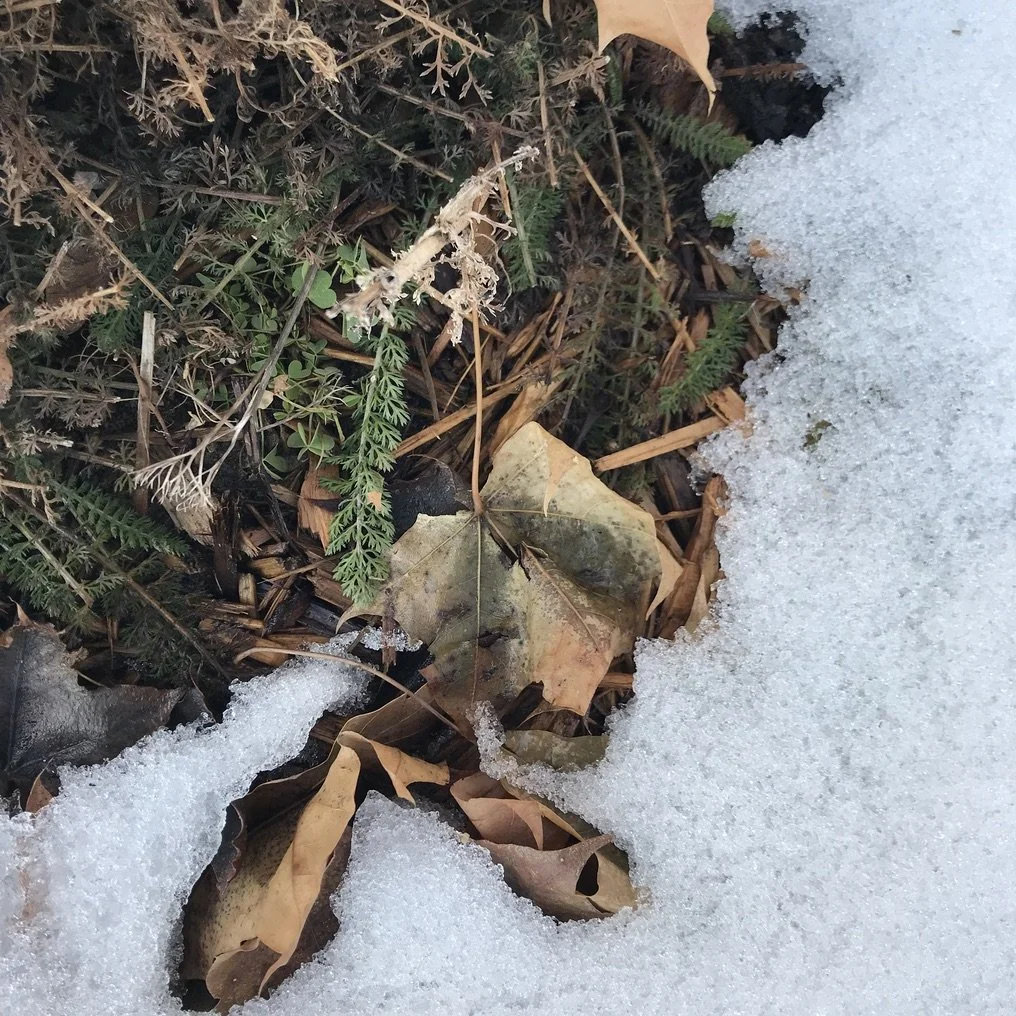
Why Spring Water Matters
Early spring moisture is incredibly valuable.
It:
Recharges soil biology after winter
Refills groundwater systems
Supports early plant growth
Reduces irrigation needs later in the season
Traditional landscaping often rushes water away through grading, gutters, and storm drains. But nature rarely wastes water. Forest systems slow, spread, and sink rainfall into the soil.
Your garden can do the same.
Read Your Landscape First
Before building anything, observe.
During a heavy rain, ask:
Where does water collect?
Where does it flow quickly?
Which areas dry fastest?
Which stay saturated longest?
These patterns reveal your garden’s natural hydrology — and guide better decisions than any generic plan.
Water always tells the truth about a site.
Strategy 1: Slow the Water with Swales
A swale is a shallow, level channel designed to slow and absorb runoff rather than drain it away.
Think of a swale as a gentle pause for rainwater.
How Swales Help
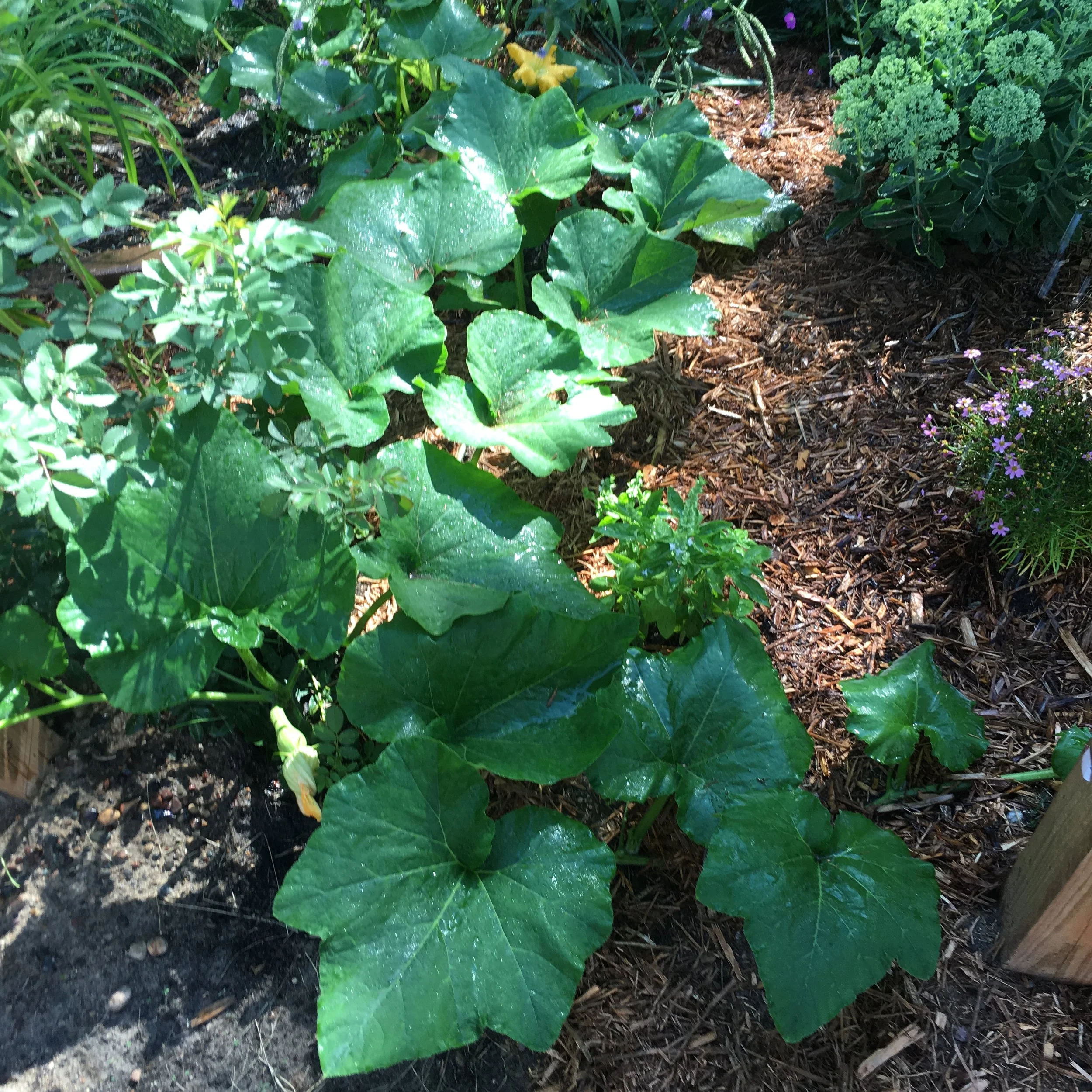
Reduce erosion
Prevent pooling
Recharge soil moisture
Support deeper root systems
In small suburban spaces, swales don’t need to be large earthworks. Even subtle contours or shallow planted depressions can dramatically improve rain management.
Plant swales with:
Deep-rooted perennials
Native grasses
Pollinator plants that tolerate periodic moisture
Over time, these areas become lush microhabitats.
Strategy 2: Lift Plants with Raised Beds
If water collects where you want to grow food, elevation becomes your ally.
Raised beds:
Improve drainage
Warm soil faster in spring
Protect roots from rot
Extend the growing season
Raised beds don’t have to be tall, framed boxes. Mounded soil beds or gentle berms can achieve similar results while blending naturally into the landscape.
A helpful rule:
Wet soil? Lift the plants.
Dry soil? Capture more water.
Strategy 3: Build Soil That Holds Water
Healthy soil acts like a sponge.
Compacted or depleted soil sheds water quickly, while living soil absorbs and stores it.
Improve absorption by adding:
Compost
Leaf mulch
Wood chips
Organic matter
Forest floors rarely flood because layers of organic material allow rainfall to infiltrate slowly.
In a tiny forest garden, soil health is water management.
Strategy 4: Plant for Moisture Zones
Not every part of your garden should behave the same way.
Instead of forcing uniform conditions, design with microclimates:
Wet Zones
Ideal for:
Elderberry
Joe-Pye weed
Swamp milkweed
Native sedges
Average Moisture Areas
Perfect for:
Herbs
Vegetables
Fruit shrubs
Fast-Draining Areas
Great for:
Mediterranean herbs
Prairie plants
Drought-tolerant perennials
Water-smart gardening works best when plants match the conditions already present.
Strategy 5: Redirect Roof Runoff Thoughtfully
Your roof collects an enormous amount of water.
A single spring storm can send hundreds of gallons into downspouts.
Instead of sending that water directly to storm drains, consider:
Rain gardens
Downspout extensions
Infiltration basins
Rain barrels for later use
Guides from the EPA’s rain garden resources provide excellent starting points for residential designs.
The Forest Teaches Us: Slow, Spread, Sink
Natural forests rarely experience flooding or drought extremes because they manage water through layered systems:
Tree canopies slow rainfall
Roots create channels underground
Organic matter absorbs moisture
Diverse plants share water resources
Tiny Forest Farm gardens apply these same principles at a backyard scale.
The goal isn’t control — it’s collaboration with natural processes.
A Seasonal Mindset Shift
Early spring saturation can feel like a delay.
But it’s actually a design opportunity.
Each puddle reveals:
Where soil needs support
Where habitat could thrive
Where future resilience can be built
When we work with water rather than against it, our gardens become more productive, more ecological, and far easier to maintain.
Start Small This Spring
Choose one action:
Observe water patterns after rain
Add compost to improve infiltration
Build a small swale
Convert a wet spot into a rain garden
Try raised beds in saturated areas
Small interventions compound over time — just like a tiny forest growing stronger each season.
Tiny Forest Farm Perspective
Water connects everything in a garden: soil, plants, insects, and climate.
By practicing rain management and water-smart gardening, suburban spaces can become resilient ecosystems that store water, support life, and thrive through changing seasons.
Spring rain isn’t a setback.
It’s an invitation to garden like a forest.